
In the United States alone, more than 1.7 million people are diagnosed with cancer every year, and 600,000 of them will die.

At Oleander Medical Technologies, our commitment is rooted in a single mission: to provide patients with a safer, more effective way to combat advanced-stage cancer. We understand that for those facing a difficult diagnosis, the search for a treatment that preserves quality of life is just as important as the search for a cure.
Our pioneering Targeted Osmotic Lysis (TOL) therapy represents a breakthrough in non-invasive care. By leveraging your body’s own cellular biology, TOL selectively targets and destroys malignant cells while sparing the healthy tissue around them. We are dedicated to advancing this science through rigorous research and clinical trials, ensuring that the next generation of cancer care is defined by precision, not toxicity.
TOL is a fundamentally different approach to cancer treatment. Rather than using toxic chemotherapy or ionizing radiation, TOL takes advantage of a biological vulnerability unique to advanced cancer cells.
Advanced-stage cancer cells overexpress sodium channels in their cell membranes at levels 10 to 50 times higher than normal cells. TOL exploits this difference through two simple steps:
Normal cells, with far fewer sodium channels, are left unharmed. No cutting. No chemo. No collateral damage.
TOL identifies a unique signature found in advanced cancer cells—an overexpression of sodium channels—to selectively induce cell death.
Unlike traditional therapies, TOL is designed to be painless and non-toxic, with early studies showing a near-total absence of serious side effects.
We are working tirelessly to bring our pulsed electric field technology to patients through clinical studies and expanded access programs.
We are profoundly grateful to the patients and families who participate in our research. Your courage fuels our pursuit of a world where cancer treatment no longer requires a compromise on the quality of life.
We are currently conducting human and animal trials to evaluate the safety and efficacy of TOL across multiple cancer types. These studies generate the data necessary to advance TOL toward full regulatory approval and broader patient access.
Current Ongoing Human Trials
An IRB-controlled pilot study conducted at CORE Medical Center, a top-tier oncology hospital. This trial provides potentially life-saving TOL therapy to patients with a broad range of cancer types who would otherwise have limited access to treatment. The study also generates critical data to inform how we refine and optimize TOL for future large-scale trials.
A TGA-compliant clinical trial evaluating the safety and efficacy of TOL in patients with squamous cell carcinoma. This trial represents a pivotal first step on the pathway to full regulatory approval of TOL therapy.
Our Louisiana-based research site allows us to administer TOL therapy to companion animals diagnosed with various types of cancer. These trials serve as an important proving ground for our latest advances in TOL technology, enabling safety and efficacy testing that informs future human trials.
TOL has been studied across multiple cancer types in both animals and humans. Published case reports document successful outcomes in patients with late-stage cervical squamous cell carcinoma, malignant melanoma, and cutaneous squamous cell carcinoma — with no adverse effects reported in any case. In companion animal studies, tumors have shown dramatic reductions in size, and some animals have experienced complete resolution of disease.

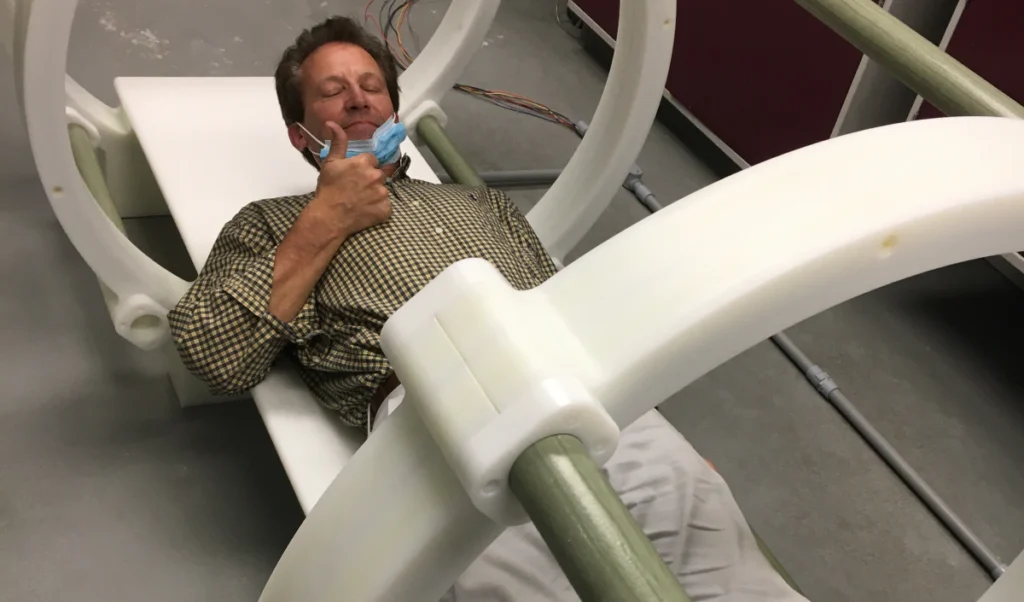
TOL is an investigational therapy and is not yet available for general commercial use. Treatment is currently only available to patients enrolled in one of our authorized human trials.
If you or a loved one has been diagnosed with advanced cancer and would like to learn more about whether you may be eligible to participate in a trial, please contact us.
For patients with serious or life-threatening conditions who may not qualify for an ongoing trial, expanded access pathways may be available on a case-by-case basis. To learn more about the FDA’s expanded access program, please visit the link below.